
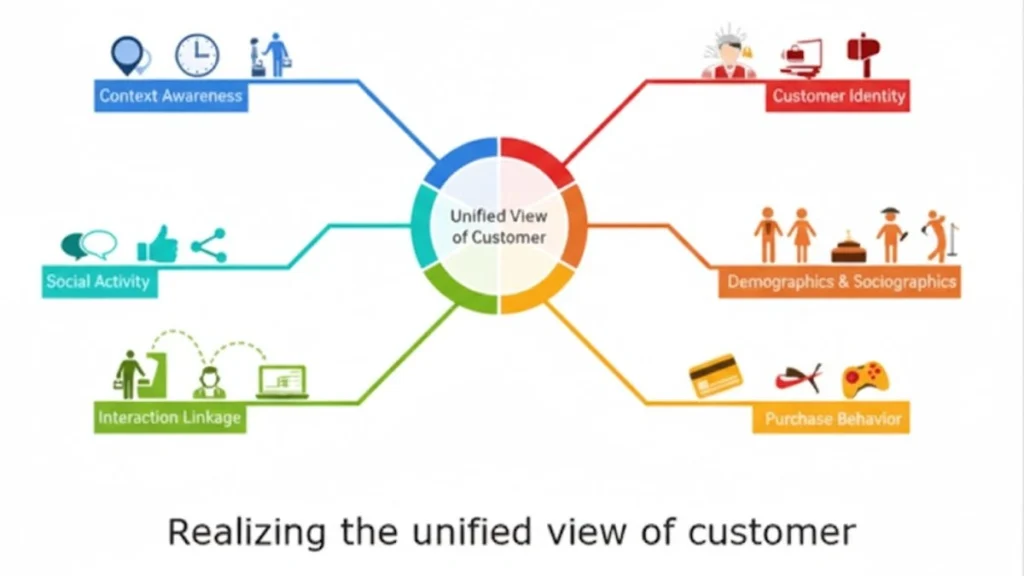

Modern businesses interact with customers across multiple channels—websites, apps, social media, email, in-store visits, and calls. But without a central view, customer data often ends up scattered across multiple systems, making it difficult to deliver personalized experiences.
This is where a Unified Customer Profile (UCP) comes in. A UCP consolidates all customer information into a single, comprehensive view, helping teams understand, anticipate, and serve customers better. In this article, we’ll explain what a unified customer profile is, why it matters, and how to implement it effectively.
What Is a Unified Customer Profile?
A Unified Customer Profile is a complete, 360-degree view of each customer that combines data from multiple sources into one central record. This includes:
- Demographic Information – Name, contact info, location, company details
- Behavioral Data – Website visits, email opens, purchases, app usage
- Transaction History – Orders, payments, returns, subscriptions
- Interaction History – Support tickets, calls, chat conversations, feedback
- Preferences and Interests – Product preferences, communication preferences, loyalty program data
By connecting all these touchpoints, a UCP allows your teams to understand who the customer is, how they interact with your business, and what they need next.
Why Unified Customer Profiles Matter
- Deliver Personalized Experiences
With all customer data in one place, businesses can tailor messages, offers, and interactions to each individual. - Increase Customer Loyalty
Customers feel valued when interactions are informed and consistent, boosting retention and lifetime value. - Improve Marketing Effectiveness
Segment audiences accurately and target campaigns based on complete behavior and preferences. - Enhance Sales Efficiency
Sales teams can see a lead’s full history, allowing more informed conversations and higher conversion rates. - Streamline Operations
Reduce duplication, data errors, and the need to manually reconcile information across systems.
How to Create a Unified Customer Profile
Step 1: Identify Data Sources
Determine all systems containing customer data, such as CRM, marketing automation, support platforms, e-commerce platforms, and analytics tools.
Step 2: Integrate Data
Use APIs, ETL tools, or specialized CDPs (Customer Data Platforms) to consolidate data from different sources into one platform.
Step 3: Clean and Normalize Data
Ensure data is accurate, de-duplicated, and consistent across sources.
Step 4: Enrich Profiles
Add additional insights like behavioral trends, purchase likelihood, or engagement scores to enhance each profile.
Step 5: Make It Actionable
Ensure the unified profiles are accessible to all relevant teams—marketing, sales, customer support—so they can act on the insights.
Benefits of Unified Customer Profiles
- Single Source of Truth – No conflicting data across departments
- Better Customer Understanding – Know customer preferences, pain points, and behavior
- Increased Revenue Opportunities – Upsell and cross-sell based on complete insights
- Faster Response Times – Customer support teams can resolve issues efficiently
- Data-Driven Decisions – Analytics based on unified data leads to smarter strategies
Popular Tools for Unified Customer Profiles
- Salesforce Customer 360 – Combines CRM, marketing, and service data in one view
- HubSpot CRM – Centralized customer insights across sales, marketing, and service
- Segment (Twilio) – Collects and unifies data from multiple sources into profiles
- Zoho CRM – Provides a unified view of customer interactions and history
- Adobe Experience Platform – Enterprise-level CDP for real-time customer profiles
Common Use Cases
- Personalized Marketing Campaigns – Send tailored offers based on full behavior and purchase history
- Customer Support – Access complete interaction history for faster resolutions
- Sales Teams – Prepare informed sales pitches using all customer touchpoints
- Loyalty Programs – Track customer activity across channels for rewards and engagement
- Predictive Analytics – Use unified data to forecast trends, churn, and opportunities
Conclusion
A Unified Customer Profile is essential for businesses looking to deliver personalized, efficient, and consistent experiences. By consolidating all customer data into one actionable view, teams can improve marketing ROI, increase sales conversions, enhance customer support, and ultimately build stronger, long-term customer relationships.
In today’s data-driven world, a unified profile isn’t just a convenience—it’s a competitive advantage.
FAQs About Unified Customer Profiles
Q1: Is a unified customer profile the same as a CRM?
Not exactly. While CRMs store customer data, a UCP centralizes information from multiple systems, including CRM, marketing, and support tools.
Q2: Can small businesses benefit from UCPs?
Yes. Even small teams can improve customer insights and deliver personalized experiences with a unified profile.
Q3: How secure is the data in a unified profile?
Reputable platforms follow industry-standard security protocols, including encryption, access controls, and GDPR/CCPA compliance.
Q4: Can UCPs be integrated with AI tools?
Yes. Unified profiles provide the data foundation for AI-powered lead scoring, predictive analytics, and personalized recommendations.
Q5: How often should profiles be updated?
Profiles should be updated in real-time or near real-time as customers interact across channels to maintain accuracy and relevance.