
Losing customers is one of the most costly challenges for any business. Not only does churn reduce revenue, but it also increases marketing and acquisition costs to replace lost clients. What if you could predict which customers are at risk of leaving before it happens?
Predictive Customer Churn uses data analytics and AI to identify at-risk customers early, enabling proactive engagement to retain them. In this article, we’ll explain what predictive churn is, why it matters, how it works, and practical strategies to reduce it.
What Is Predictive Customer Churn?
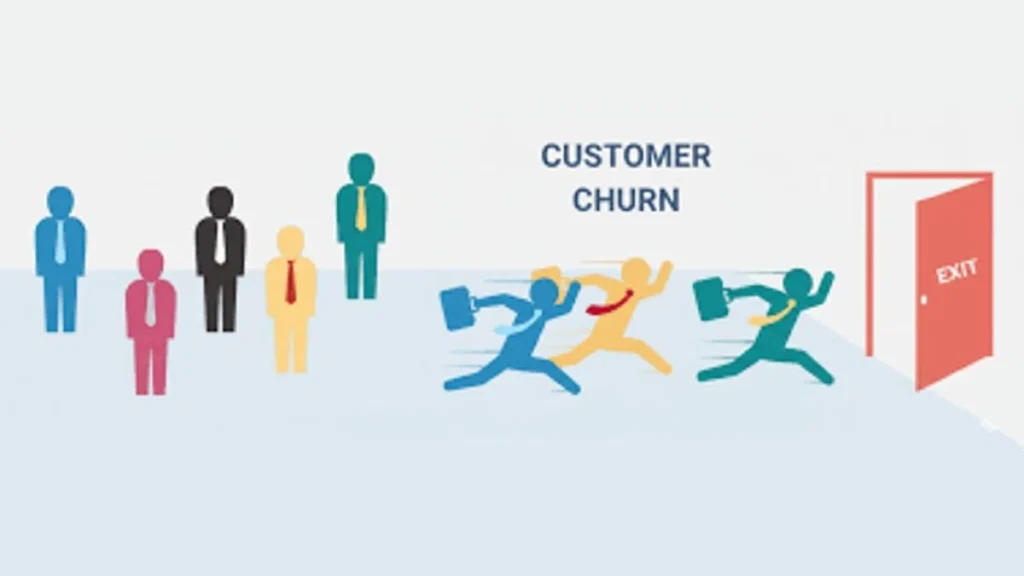
Customer churn refers to the loss of a customer or subscriber over a given period. Predictive churn uses data and machine learning models to anticipate which customers are most likely to leave.
Instead of reacting after a customer cancels, businesses can:
- Identify risk factors
- Engage proactively with personalized retention strategies
- Reduce revenue loss and improve long-term loyalty
Predictive churn models analyze historical behavior, interactions, purchase patterns, and engagement metrics to score customers based on their likelihood to leave.
Why Predictive Customer Churn Matters
- Reduce Revenue Loss
By identifying at-risk customers early, businesses can take proactive steps to retain them, protecting revenue streams. - Improve Customer Retention
Proactive engagement, personalized offers, or support interventions keep customers loyal. - Optimize Marketing Spend
Instead of targeting all customers equally, resources can be focused on high-risk segments. - Gain Actionable Insights
Predictive analytics highlight behaviors and patterns that lead to churn, helping refine products, services, and customer experience. - Increase Customer Lifetime Value (CLV)
Retaining existing customers longer leads to higher lifetime value and long-term profitability.
How Predictive Customer Churn Works
Step 1: Collect Customer Data
Data can include:
- Purchase and subscription history
- Customer support interactions
- Usage patterns (e.g., app logins, product usage)
- Engagement with marketing campaigns
- Demographics and customer profile data
Step 2: Identify Churn Indicators
Machine learning models analyze historical data to find patterns that correlate with churn, such as:
- Declining purchase frequency
- Decreased product usage
- Negative customer feedback
- High support ticket volume
Step 3: Score Customers
Each customer is assigned a churn risk score based on predictive algorithms. High scores indicate higher likelihood to churn.
Step 4: Take Proactive Actions
- Offer personalized incentives or discounts
- Engage with support to resolve pain points
- Deliver relevant content or product recommendations
- Reach out via preferred channels to re-engage
Step 5: Monitor and Refine
Continuously track churn metrics, evaluate model accuracy, and refine the predictive algorithm to improve results over time.
Benefits of Predictive Customer Churn Analytics
- Early Detection of Risk – Prevent churn before it happens
- Higher Retention Rates – Keep valuable customers engaged
- Improved Customer Experience – Address issues proactively
- Better Decision-Making – Data-driven insights inform retention strategies
- Cost Efficiency – Retaining customers is cheaper than acquiring new ones
Popular Tools for Predictive Customer Churn
- Salesforce Einstein Analytics – AI-driven predictive churn scoring
- HubSpot – Customer insights with predictive analytics
- Zoho CRM – Tracks engagement and churn risk for leads and customers
- Microsoft Dynamics 365 Customer Insights – Predictive modeling and segmentation
- Freshworks CRM – Churn prediction using historical engagement data
Best Practices for Reducing Customer Churn
- Collect Comprehensive Data – Track customer interactions, purchases, and engagement across all channels.
- Segment Customers by Risk – Focus retention efforts on high-risk segments first.
- Personalize Retention Strategies – Tailor messages, offers, and support interventions.
- Monitor Early Warning Signals – Identify behaviors that precede churn.
- Close the Feedback Loop – Use churn data to improve products, services, and experiences.
Common Use Cases
- Subscription Businesses – Predict which subscribers may cancel plans or downgrade.
- SaaS Companies – Track login frequency, feature adoption, and product usage to identify churn risk.
- E-commerce – Identify customers who haven’t purchased in a while and re-engage with offers.
- Telecom and Utilities – Monitor service usage, billing issues, and support calls to retain clients.
- Financial Services – Predict account closures or switching to competitors based on engagement patterns.
FAQs About Predictive Customer Churn
Q1: Can small businesses benefit from predictive churn analytics?
Yes. Even small datasets can reveal patterns of disengagement and help businesses retain high-value customers.
Q2: How accurate are predictive churn models?
Accuracy depends on data quality and model sophistication. Better, more complete data leads to more precise predictions.
Q3: Does this replace human intervention?
No. Predictive analytics guides proactive actions, but human engagement remains essential to resolve issues and build relationships.
Q4: How often should churn models be updated?
Models should be retrained regularly to include new customer behaviors and trends for ongoing accuracy.
Q5: What channels are most effective for retention?
Email, SMS, chat, personalized offers, and customer support outreach are effective when tailored to customer preferences.
Conclusion
Predictive customer churn transforms how businesses retain clients by providing early warning signals, actionable insights, and data-driven strategies. By predicting which customers are at risk, companies can act proactively, increase retention, reduce revenue loss, and enhance customer loyalty.
Whether you run a subscription service, SaaS company, or e-commerce business, adopting predictive churn analytics is a strategic step toward sustainable growth.