

In today’s fast-paced digital world, customers interact with brands across multiple channels—social media, email, chat, phone, and in-store. Delivering a consistent experience across all these touchpoints is no longer optional—it’s essential.
This is where Omnichannel Engagement comes in. It allows businesses to provide a seamless, personalized experience, no matter how or where customers engage. In this article, we’ll explain what omnichannel engagement is, why it matters, and how your business can implement it effectively.
What Is Omnichannel Engagement?
Omnichannel Engagement is a strategy that integrates all communication channels to provide a unified customer experience. Unlike multichannel approaches, where each channel operates independently, omnichannel engagement ensures:
- Consistency across channels
- Real-time data sharing between platforms
- Personalized interactions based on customer behavior
For example, a customer who starts browsing products on your website can receive follow-up messages on email, chat, or SMS, with all interactions tracked and personalized for their preferences.
Why Omnichannel Engagement Matters
- Enhanced Customer Experience
Customers expect a seamless journey. Omnichannel engagement eliminates friction and provides a smooth, personalized experience. - Improved Customer Retention
When customers feel understood and supported across all touchpoints, loyalty increases, and repeat purchases become more likely. - Better Insights into Customer Behavior
By connecting channels, businesses gain a complete view of customer interactions, helping tailor strategies and improve decision-making. - Increased Revenue
Personalized recommendations and timely engagement often lead to higher conversion rates and larger sales. - Competitive Advantage
Companies offering consistent, omnichannel experiences stand out in crowded markets.
Key Channels in Omnichannel Engagement
- Email – Personalized campaigns, promotions, and follow-ups
- Social Media – Active engagement, customer service, and ads
- Live Chat / Chatbots – Instant support and lead capture
- SMS / Mobile Notifications – Timely alerts and reminders
- Phone / Video Calls – High-touch communication for complex needs
- In-Store / POS Integration – Connecting physical and digital experiences
How to Implement Omnichannel Engagement
Step 1: Know Your Customer
Gather and analyze customer data to understand preferences, behavior, and purchase history.
Step 2: Integrate Channels
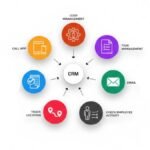
Use a unified platform to connect CRM, email, social media, chat, and other channels.
Step 3: Personalize Interactions
Tailor messages based on customer behavior and engagement history. For example, if a customer abandons a cart online, send a reminder via email or SMS.
Step 4: Automate Where Possible
Use tools to automate repetitive messages, follow-ups, and alerts while keeping personalization intact.
Step 5: Monitor and Optimize
Track KPIs like engagement rates, conversion rates, and customer satisfaction. Adjust your strategy for continuous improvement.
Best Practices for Omnichannel Engagement
- Consistency is Key – Ensure branding, messaging, and tone are uniform across all channels.
- Focus on the Customer Journey – Map interactions and design engagement that supports each stage.
- Use Data Wisely – Leverage insights to deliver personalized, timely messages.
- Train Teams Across Channels – Everyone should understand the omnichannel strategy.
- Prioritize Mobile – Many customers interact on mobile first—ensure a smooth experience.
Common Use Cases
- E-Commerce – Retargeting ads, cart abandonment emails, and SMS alerts
- Retail – Integrating in-store and online experiences for loyalty programs
- Customer Support – Resolving issues across social media, chat, email, and phone
- Marketing Campaigns – Launching coordinated campaigns across multiple channels
- Subscription Services – Sending reminders and personalized offers across email and mobile
Conclusion
Omnichannel engagement is no longer a luxury—it’s a necessity for businesses aiming to thrive in a competitive market. By connecting all touchpoints and delivering consistent, personalized experiences, companies can boost loyalty, increase conversions, and gain a real competitive advantage.
Whether you’re a startup or an enterprise, starting with a few integrated channels and building from there can transform how your customers experience your brand.
FAQs About Omnichannel Engagement
Q1: How is omnichannel different from multichannel?
Multichannel uses multiple platforms independently, while omnichannel connects all channels to provide a seamless experience.
Q2: Do small businesses benefit from omnichannel strategies?
Yes. Even small businesses can improve customer engagement and loyalty by connecting a few key channels.
Q3: What tools support omnichannel engagement?
Popular tools include HubSpot, Salesforce, Zoho CRM, Intercom, and Freshworks CRM, which integrate email, chat, social, and analytics.
Q4: How long does it take to implement?
Implementation can take weeks to months depending on business size and number of channels, but starting small and scaling gradually works best.
Q5: Can automation hurt customer experience?
Not if done thoughtfully. Automation should enhance personalization, not replace human interaction.