
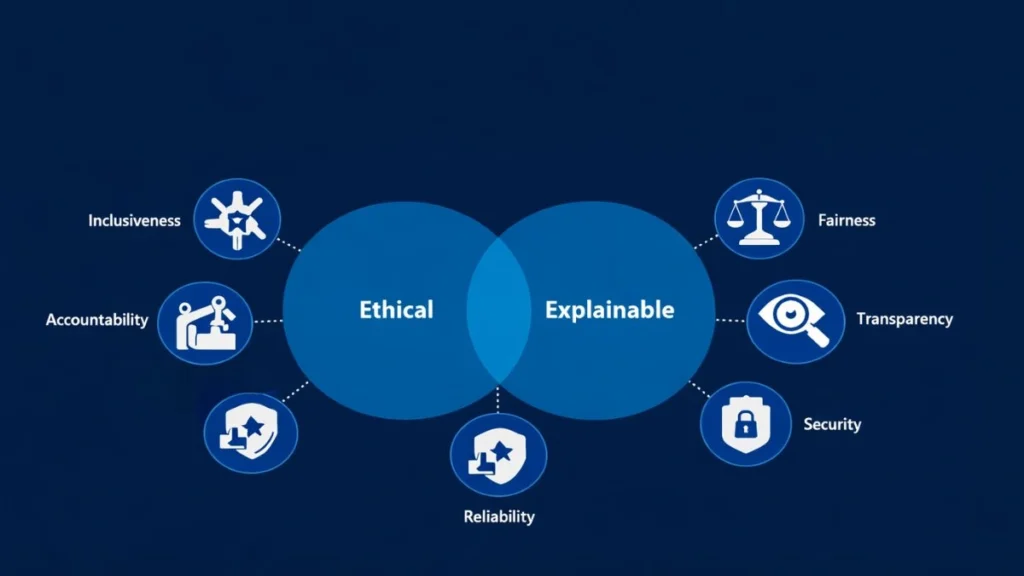

Artificial intelligence is shaping how we work, communicate, make decisions, and run businesses. But as AI becomes more powerful, so does the responsibility to use it wisely. This is where elevated AI ethics come in.
Elevated AI ethics go beyond basic rules or legal compliance. They focus on building AI systems that are fair, transparent, accountable, and aligned with human values—while still supporting innovation and growth.
This guide explains elevated AI ethics in clear, practical terms and shows why they matter now more than ever.
What Is Elevated AI Ethics?
Elevated AI ethics refers to a higher standard of ethical responsibility in the design, deployment, and management of artificial intelligence systems.
It means asking not just:
- “Can we build this AI?”
But also:
- “Should we?”
- “Who might be affected?”
- “What risks does it create?”
- “How do we stay accountable?”
Elevated AI ethics move ethics from theory into everyday decision-making.
Why Elevated AI Ethics Are Important
AI systems increasingly influence:
- Hiring decisions
- Financial approvals
- Medical recommendations
- Customer interactions
- Public safety
Without strong ethical standards, AI can unintentionally cause harm, reinforce bias, or reduce trust.
Elevated AI ethics help:
- Protect individuals and communities
- Reduce legal and reputational risk
- Build long-term trust
- Ensure responsible innovation
Ethics are no longer optional—they’re essential.
How Elevated AI Ethics Go Beyond Basic Compliance
Basic AI ethics often focus on avoiding obvious harm. Elevated AI ethics aim higher.
Basic Ethics
- Follow the law
- Avoid clear discrimination
- Address issues after problems arise
Elevated AI Ethics
- Proactively identify risks
- Design fairness into systems
- Ensure transparency and explainability
- Include human oversight
- Consider long-term social impact
It’s the difference between reacting and leading responsibly.
Core Principles of Elevated AI Ethics
While frameworks may vary, elevated AI ethics usually rest on these principles:
Fairness
AI should treat people equitably and avoid bias.
Transparency
Decisions made by AI should be understandable and explainable.
Accountability
Humans—not machines—remain responsible for outcomes.
Privacy
Personal data must be protected and used responsibly.
Safety and Reliability
AI systems should perform as intended and minimize harm.
Human-Centered Design
AI should support human well-being, not replace judgment blindly.
Who Sets Standards for Elevated AI Ethics?
Several global organizations have helped shape ethical AI guidelines, including UNESCO, which promotes responsible AI aligned with human rights and societal values.
However, elevated AI ethics are not just about external rules. Organizations must actively apply these principles within their own culture and operations.
Elevated AI Ethics in Business
For businesses, elevated AI ethics are both a responsibility and a strategic advantage.
Ethical AI helps companies:
- Build customer trust
- Improve brand reputation
- Avoid costly mistakes
- Attract partners and talent
- Comply with evolving regulations
Customers and stakeholders increasingly expect transparency and responsibility.
Elevated AI Ethics in Real-World Applications
Hiring and HR
Ethical AI reduces bias in recruitment and promotion decisions.
Finance and Lending
Fair algorithms prevent discrimination in credit and pricing.
Healthcare
Ethical AI ensures patient safety and informed decision-making.
Customer Service
Transparent AI builds confidence instead of frustration.
Public Sector
Ethical AI supports fairness, accountability, and public trust.
The Risks of Ignoring Elevated AI Ethics
When AI ethics are treated as an afterthought, risks increase:
- Biased decisions
- Loss of public trust
- Regulatory penalties
- Legal challenges
- Long-term reputational damage
Fixing ethical failures after deployment is far more costly than designing responsibly from the start.
How Organizations Can Implement Elevated AI Ethics
Practical steps include:
- Creating ethical AI guidelines
- Conducting regular bias and risk audits
- Involving diverse teams in design
- Ensuring human review of critical decisions
- Documenting AI decision processes
- Training employees on ethical AI use
Ethics must be built into systems, not added later.
Elevated AI Ethics and Transparency
Transparency is a cornerstone of elevated AI ethics. People deserve to know:
- When AI is being used
- How decisions are made
- What data is involved
- How to challenge or appeal outcomes
Clear communication builds confidence and reduces fear.
The Role of Leadership in Elevated AI Ethics
Ethical AI starts at the top. Leaders set the tone by:
- Prioritizing ethics over shortcuts
- Investing in responsible design
- Encouraging ethical discussions
- Holding teams accountable
When leadership commits to ethics, it becomes part of the culture.
Elevated AI Ethics and the Future of AI
As AI becomes more autonomous and influential, ethical standards must evolve as well. Elevated AI ethics help ensure that innovation benefits society—not just efficiency or profit.
The future of AI depends on trust, and trust depends on ethics.
Why Elevated AI Ethics Build Long-Term Trust
People don’t fear AI itself—they fear misuse. Elevated AI ethics reassure users that:
- Their rights are respected
- Decisions are fair
- Humans remain in control
Trust is the foundation of sustainable AI adoption.
Final Thoughts
Elevated AI Ethics are no longer optional—they are essential for building trustworthy, sustainable, and human-centered AI systems. Organizations that embrace higher ethical standards today are better positioned for long-term success tomorrow.
Frequently Asked Questions (FAQs)
What does “elevated AI ethics” mean?
It means applying higher, proactive ethical standards to AI systems beyond basic compliance.
Are elevated AI ethics required by law?
Not always, but regulations are increasing and expectations are rising.
Do elevated AI ethics slow innovation?
No. They guide innovation responsibly and reduce long-term risk.
Who is responsible for ethical AI decisions?
Humans and organizations—not AI systems—are responsible.
Can small businesses apply elevated AI ethics?
Yes. Ethical principles scale to organizations of any size.
Is transparency always possible with AI?
While not every model is simple, explainability should be a priority.
How do elevated AI ethics reduce bias?
By testing data, auditing outcomes, and designing fairness into systems.
Are ethical AI frameworks the same everywhere?
No, but core principles are widely shared.
Do customers care about AI ethics?
Increasingly, yes—especially when AI affects personal outcomes.
Is elevated AI ethics a one-time process?
No. It requires ongoing review and improvement.