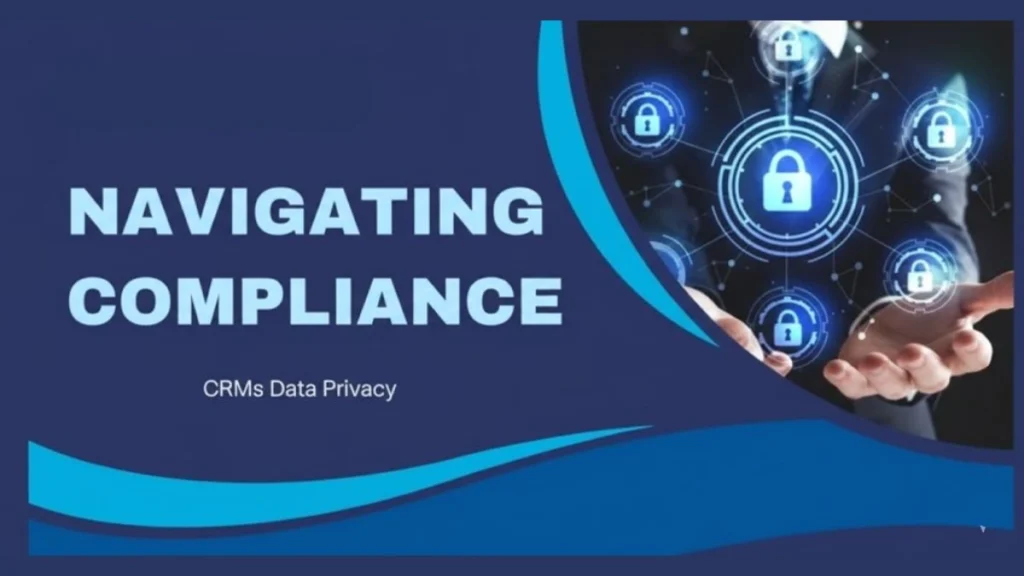

In today’s data-driven world, customer trust is everything. Businesses collect vast amounts of personal data in their CRM systems—from names and emails to purchase history and behavior. But with data breaches and stricter regulations like GDPR and CCPA, protecting this information is no longer optional—it’s essential.
CRM Data Privacy & Compliance ensures your business collects, stores, and uses customer data responsibly while meeting legal requirements. In this article, we’ll explain what it means, why it matters, best practices, and how to implement it effectively.
What Is CRM Data Privacy & Compliance?
CRM Data Privacy & Compliance refers to the practices, policies, and systems businesses use to protect customer data within their CRM while adhering to data protection regulations.
Key elements include:
- Data Collection Policies – Collect only necessary information with customer consent
- Data Storage & Security – Encrypt and secure sensitive information
- Access Control – Limit data access to authorized personnel only
- Regulatory Compliance – Follow laws like GDPR (EU), CCPA (California), HIPAA (healthcare), and others
- Data Retention & Deletion – Ensure proper storage duration and safe disposal of data
Compliance ensures you respect customer privacy, avoid fines, and maintain trust.
Why CRM Data Privacy & Compliance Matters
- Protect Customer Trust
Customers are more likely to share information with businesses that handle their data responsibly. - Avoid Legal Penalties
Non-compliance with GDPR, CCPA, or similar laws can result in heavy fines and reputational damage. - Improve Data Quality
Structured, compliant data reduces errors and improves CRM effectiveness. - Enhance Brand Reputation
Businesses that prioritize privacy build loyalty and differentiate themselves from competitors. - Support Business Growth
Compliant, trustworthy CRM systems enable safer marketing, analytics, and AI-driven insights without legal risk.
Key CRM Data Privacy & Compliance Practices
1. Obtain Explicit Consent
- Use clear opt-in forms
- Inform customers how their data will be used
- Provide easy options to withdraw consent
2. Implement Role-Based Access
- Restrict sensitive data access to authorized employees only
- Monitor and audit access regularly
3. Encrypt and Secure Data
- Use encryption for data at rest and in transit
- Regularly update security protocols and firewalls
4. Keep Data Accurate and Updated
- Regularly clean and validate CRM records
- Remove outdated or duplicate information
5. Enable Data Subject Rights
- Allow customers to request access, corrections, or deletion of their data
- Provide clear processes for fulfilling these requests
6. Track and Audit Compliance
- Maintain logs of data processing activities
- Regularly audit CRM practices to identify risks
Benefits of CRM Data Privacy & Compliance
- Reduced Legal Risk – Avoid fines and lawsuits
- Stronger Customer Relationships – Build trust and loyalty
- Better Data Management – Accurate, organized, and compliant data
- Enhanced Operational Efficiency – Clear policies reduce errors and confusion
- Future-Proof Business – Stay ahead of evolving regulations
Popular CRM Platforms With Compliance Features
- Salesforce – GDPR and CCPA compliance tools, encryption, and audit trails
- HubSpot – Consent tracking, data retention policies, and privacy management
- Zoho CRM – Security controls, data anonymization, and regulatory compliance support
- Microsoft Dynamics 365 – Built-in compliance features for multiple global standards
- Freshworks CRM – Data access management, encryption, and audit logs
Common Use Cases
- Marketing Campaigns – Ensure emails and campaigns comply with opt-in regulations
- Customer Support – Safely store and access sensitive customer interactions
- Sales Data Management – Maintain compliant lead and prospect records
- Data Analytics & AI – Use anonymized and consented data for predictive insights
- Subscription Management – Track consent and privacy preferences for recurring services
FAQs About CRM Data Privacy & Compliance
Q1: What are the main data privacy laws businesses should know?
Key regulations include GDPR (EU), CCPA (California), HIPAA (healthcare), and PIPEDA (Canada), among others.
Q2: How can a small business comply with data privacy laws?
Even small businesses should obtain consent, secure data, implement access controls, and provide clear opt-out options.
Q3: Does compliance mean I can’t use customer data for marketing?
No. You can still use data if you have explicit consent and follow transparency rules.
Q4: How often should CRM compliance policies be updated?
Policies should be reviewed annually or whenever new regulations are introduced.
Q5: Can non-compliance affect AI and predictive analytics?
Yes. Using unconsented or insecure data can violate laws and lead to penalties, limiting your ability to use advanced CRM features.
Conclusion
CRM Data Privacy & Compliance is more than a legal requirement—it’s a business advantage. Protecting customer data builds trust, ensures operational efficiency, and enables safe use of analytics, automation, and AI.
By implementing robust privacy policies, secure data practices, and compliance workflows, businesses can maintain customer trust, reduce risk, and grow revenue responsibly.