
In today’s fast-paced business environment, waiting hours or days to analyze customer data can cost opportunities, revenue, and even customers. Businesses need instant insights into leads, sales, customer behavior, and campaign performance.
This is where Real-Time Analytics in CRM comes in. By delivering immediate, actionable insights, real-time analytics empowers teams to make faster, smarter decisions that improve sales, marketing, and customer success.
In this article, we’ll explain what real-time analytics is, why it matters in CRM, key benefits, and how to implement it effectively.
What Is Real-Time Analytics in CRM?
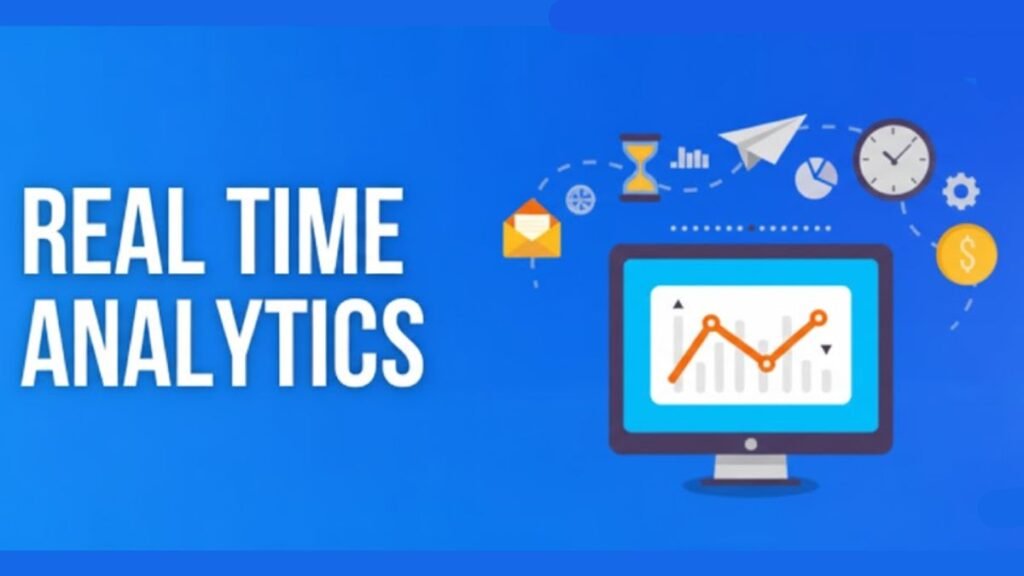
Real-time analytics refers to the process of analyzing and visualizing data immediately as it is collected. In a CRM context, this means:
- Tracking customer interactions, sales activity, and marketing engagement as they happen
- Identifying trends and anomalies instantly
- Providing actionable insights to teams while opportunities are still live
Unlike traditional analytics, which relies on periodic reports, real-time analytics enables proactive decision-making rather than reactive responses.
Why Real-Time Analytics Matters in CRM
- Faster Decision-Making
Accessing live data allows teams to respond to leads, customer issues, or market trends immediately. - Enhanced Sales Performance
Sales managers can monitor pipeline activity in real time and adjust priorities to close deals faster. - Improved Marketing Campaigns
Marketers can see which campaigns are performing instantly and optimize messaging or targeting on the fly. - Better Customer Experience
Support teams can track engagement and behavior in real time, delivering timely and personalized responses. - Early Problem Detection
Identify bottlenecks, low engagement, or high churn risk before they escalate.
Key Features of Real-Time CRM Analytics
- Live Dashboards – Visualize key metrics such as sales, leads, and customer interactions in real time
- Alerts and Notifications – Receive automatic updates on critical changes, like a hot lead or a missed deal
- Predictive Insights – Combine live data with AI to forecast trends and customer behavior
- Custom Reporting – Generate reports on the fly, filtered by region, team, or campaign
- Integration with Other Systems – Pull data from ERP, marketing automation, or support platforms for a complete view
How Real-Time Analytics Works in CRM
Step 1: Collect Data Continuously
Connect your CRM to all customer touchpoints: emails, calls, social media, website, and support tickets.
Step 2: Process Data Instantly
CRM systems use cloud computing and in-memory processing to update dashboards, KPIs, and alerts in real time.
Step 3: Visualize and Monitor
Live dashboards show sales progress, lead activity, campaign performance, and customer sentiment at a glance.
Step 4: Act on Insights
Teams can assign hot leads, resolve urgent issues, or tweak marketing campaigns based on instant insights.
Step 5: Optimize Continuously
Use historical and real-time data together to identify trends, adjust strategies, and improve performance.
Benefits of Real-Time Analytics in CRM
- Immediate Opportunity Identification – Focus on leads that are engaging right now
- Proactive Customer Support – Address issues before they escalate
- Faster Sales Cycles – Adjust pipelines instantly for higher conversion
- Enhanced Collaboration – Teams work on the same live data
- Data-Driven Decisions – Make smarter choices backed by up-to-date insights
Popular CRM Platforms with Real-Time Analytics
- Salesforce – Live dashboards, AI insights, and event-based triggers
- HubSpot CRM – Real-time reporting and analytics for marketing, sales, and service teams
- Zoho CRM – Custom dashboards, live alerts, and KPI monitoring
- Microsoft Dynamics 365 – Real-time analytics across sales, marketing, and service modules
- Freshworks CRM – Live pipeline tracking and customer engagement analytics
Common Use Cases
- Sales Pipeline Management – Monitor deal stages and respond immediately to high-value opportunities
- Marketing Campaign Optimization – Track email opens, clicks, and conversions in real time
- Customer Support Monitoring – Detect spikes in complaints or support tickets instantly
- Churn Prevention – Identify disengaged customers early and intervene proactively
- Revenue Forecasting – Use live data to predict revenue trends and adjust strategies
Conclusion
Real-time analytics in CRM empowers businesses to act faster, make smarter decisions, and deliver better customer experiences. By monitoring leads, sales, campaigns, and support interactions instantly, teams can increase conversions, reduce churn, and optimize revenue growth.
In today’s competitive market, leveraging real-time insights isn’t just an advantage—it’s essential for staying ahead.
FAQs About Real-Time Analytics in CRM
Q1: Can small businesses benefit from real-time analytics?
Yes. Even small teams can track leads, campaigns, and customer interactions instantly to improve outcomes.
Q2: Does real-time analytics require advanced technical skills?
Most modern CRMs provide easy-to-use dashboards and alerts—no coding required.
Q3: How is real-time analytics different from traditional reporting?
Traditional reporting relies on static, periodic data snapshots. Real-time analytics updates continuously, allowing immediate action.
Q4: Can real-time analytics integrate with ERP or marketing platforms?
Yes. Integration allows a full view of customer behavior, sales, and operations across systems.
Q5: Is it secure to use real-time data in the cloud?
Yes, reputable CRM platforms use encryption, access controls, and compliance standards like GDPR and CCPA.